Welcome to a journey through modern roofing with Forticrete. If you’re a homeowner planning an upgrade, a builder sourcing materials for a new build, or a facilities manager weighing longevity against initial cost, you’ve landed in the right place. I’ve spent more than two decades walking roofs, selecting materials, and guiding clients from the first sketch to the final sealant. This article is a candid, experience-backed exploration of Forticrete roofing, its proven performance, and the style it brings to diverse buildings. Expect concrete details, real-world stories, and practical advice you can take to the next supplier meeting.
Forticrete Roofing: What Sets It Apart in the Market?
Forticrete is not a brand you skim past when you’re auditing a list of tile and slate suppliers. Its value proposition sits at the intersection of robust performance and design versatility. From my first installation project in a mid-century modern home to a high-traffic retail renovation, Forticrete consistently delivered reliable weather resistance, uniform aesthetics, and straightforward installation logistics.
What makes Forticrete distinctive? First, the company’s reliance on high-quality concrete and naturally weather-resistant finishes pays dividends in durability. Second, the range of profiles—corporate chestnut, warm terracotta, and contemporary slate-like options—gives designers the freedom to align roofing with the building’s character rather than fighting against it. Third, the manufacturing processes emphasize dimensional accuracy and rapid on-site handling, which reduces wasted materials and labor time.
In my practice, the decision to select Forticrete often comes down to a few simple questions: Will these tiles perform well on a challenging roof plane? Can they tolerate freeze-thaw cycles in this climate? Do they preserve their color and texture over a decade of sun exposure? When the answers are positive, projects stay on schedule, and clients feel confident. The results speak for themselves through fewer call-backs and steadier maintenance budgets.
A quick client success story helps illustrate the point. A hospital expansion that required a long-span, low-slope roof used a Forticrete profile with a textured surface to mimic traditional slates. The installation phase was clean, the sealant joints held their integrity after the first winter, and the color remained faithful to the swatch after two full seasons of UV exposure. The facilities team reported improved temperature comfort and a noticeable reduction in wind-driven debris on unprotected edges. In short, Forticrete offered a blend of performance and curb appeal that matched the project’s ambitions.
For those weighing the return on investment, the truth is straightforward: Forticrete roofs tend to outlive many similar options in the same price band when installed correctly. That “when installed correctly” caveat matters more than most clients admit. Roofing systems are assemblies, not single components. The tiles, underlayment, batt, flashing, and fasteners must work as a single, well-coordinated system. As a result, my recommendation is always to assemble a complete, compatible kit and pair Forticrete with an experienced contractor who understands the nuances of water management, thermal movement, and long-term maintenance.
But let’s dig deeper into the specifics. In the following sections, you’ll find practical criteria you can apply—climate suitability, installation considerations, lifespan expectations, and maintenance routines—presented through real-world examples, checklists, and expert insights.
Material Quality and Durability in Forticrete Roof Systems
Durability is the foundation of trust. Clients want to know that their investment will stand up to wind, rain, hail, and sun without cracking, delaminating, or fading prematurely. Forticrete’s materials are designed to resist the onslaught of weather while maintaining their architectural character.
From a technical standpoint, Forticrete uses high-quality concrete mixes that are tightly controlled for density and pore structure. This matters because a dense, well-compacted tile will resist water ingress better than a lighter alternative. It also minimizes the risk of efflorescence—the white salt deposits that sometimes appear on masonry surfaces—by reducing water movement through the tile and mortar joints. When installed with a proper vapour barrier and a well-sealed underlayment system, these tiles can perform well in climates with heavy rainfall and freeze-thaw cycles.
In practice, I’ve observed two critical durability indicators in Forticrete roofs: color retention and surface weathering. Color stability over a 10 to 15 year horizon varies by pigment, but the textured surface tends to hide minor abrasions better than smooth Business finishes. For clients who demand a timeless look, the textured options age gracefully and retain perceived depth longer than uniform, flat surfaces. If you’re chasing a modern, minimalist aesthetic, Forticrete’s slate-inspired textures can deliver a contemporary edge without sacrificing performance.
Another crucial factor is the edge detailing and wind uplift resistance. A roof is only as strong as its edges and fasteners. Forticrete products, when paired with appropriate flashing, sealant joints, and wind-rated underlayment, deliver a cohesive system that resists uplift pressures on high-wind corners and along transitions to parapets. In one coastal redevelopment project, we carefully paired a Forticrete profile with a storm-rated underlayment and corrosion-resistant fixings. The result was a roof that stayed put through several periods of strong gusts—an essential outcome for client peace of mind.
Key takeaway: Forticrete’s material quality translates into long-term durability when integrated into a complete, correctly specified system. Don’t rely on tiles alone as the sole line of defense Business against the weather; the entire assembly must be designed to work in concert.
Installation Best Practices for Forticrete Roofing Projects
Installation quality often determines whether a roof reaches its expected lifespan. Even the best materials can underperform if the installation is rushed, misaligned, or incompatible with the substrate. My approach is always to start with a precise plan and end with a robust on-site workflow.
First, site assessment matters. Before ordering any tiles, I confirm roof geometry, substrate condition, drainage paths, and potential obstructions. Forticrete tiles need clean eaves, properly flashed valleys, and a reliable underlayment system. The absence of any of these details can create micro-leaks that compromise the roof’s performance.
Second, material handling and layout are critical. Concrete tiles are dense and heavy; improper handling can lead to cracked tiles, micro-cracking, or edge chipping. I advocate for a staged layout on the roof deck and a buddy system for lifting heavy bundles. A well-planned layout reduces waste and ensures consistent color distribution across the roof, preventing mismatches that can upset the client’s design intent.
Third, alignment and nailing patterns require discipline. The tile rows must be aligned across the roof plane, with consistent starter courses and correct setback. Nails or screws must be weather-rated and placed in the correct positions to resist uplift without over-penetrating into the batten system. In one large educational building renovation, we implemented a dry run of the first two courses on the ground to verify alignment before committing to the entire roof. It saved time, reduced error, and left the site with a clear, transferable template for the crew.
Fourth, flashing and detailing demand attention to movement. Roofs expand and contract with temperature changes. Forticrete tiles react to this movement, and so do the fasteners and sealants. We adopted flexible sealants in critical junctions and used pre-formed flashing components tailored to Forticrete profiles. The result was a watertight seal around penetrations, coping joints, and roof-to-wall transitions.
To ensure consistency, I recommend a project checklist step by step: confirm tile order accuracy, inspect the underlayment type and coverage, verify spacing and nailing, confirm alignment, test water shedding via controlled rainfall test if feasible, and document the final inspection with photos. A clear checklist helps protect both the client and the contractor from miscommunication or assumptions.

A practical client note: budget for professional installation supervision. It might seem like a non-essential expense, but it pays dividends when the roof needs to perform under unusual conditions or when repairs become necessary years later. An expert supervisor helps catch installation deviations early, which preserves the roof’s integrity and reduces future repair costs.
Aesthetic Versatility and Architectural Fit
Forticrete roofing materials excel in aesthetics as well as performance. The appearance of a roof defines a building’s click to read curb appeal and its emotional tone. Forticrete offers a spectrum of finishes—from textured, rustic tones to smoother, modern hues—that complement a wide range of architectural styles.
In residential settings, a textured finish can evoke traditional slate while delivering the reliability of concrete. The warmth of terracotta tones for a classic cottage contrasts beautifully with the cooler, shadowed lines of contemporary brickwork. For commercial projects, slate-inspired grays and deep charcoal finishes convey professionalism and durability. The design flexibility extends to roof profiles, including interlocking patterns and varied tile sizes, allowing designers to craft distinctive silhouettes that resist the cookie-cutter vibe.
During a recent retrofit of a heritage building, we balanced Forticrete’s modern texture with historically accurate color values. The result was a roof that read as authentic but benefited from the enhanced weather resistance of modern materials. Clients appreciated the maintenance savings and the ability to preserve the building’s character with a roof that looked appropriate for the era yet performed beyond standard expectations.
If you’re considering color and texture, I offer this practical guidance: ask for sample boards and request field tests where possible. Color can shift after exposure to sunlight, so it’s essential to view the material under different lighting conditions and seasons. Also, consider how the roof will age with neighboring materials, including gutters, sidings, and landscaping. A cohesive exterior gives you a more valuable, longer-lasting finished product.
Climate Adaptability and Long-Term Performance
The weather in your area should influence every roofing decision. Forticrete tiles have demonstrated resilience in diverse climates, but the exact performance hinges on installation quality and proper match to environmental stressors.
In coastal environments, salt spray and wind demand durable fixings and corrosion-resistant components. In inland regions with heavy snowfall, the weight, wind uplift resistance, and quick drainage of the tile profile become critical. In hot, sun-drenched zones, color retention and thermal expansion considerations matter for preventing micro-cracking and edge wear. The common thread is this: choose the right Forticrete profile for the local climate, and ensure the system is fully weather-tight with robust underlayment and flashing.
A real-world example demonstrates climate adaptability well. We completed a multi-building campus in a temperate climate with significant seasonal wind exposure. By combining Forticrete tiles with a high-performance breathable underlayment, wind-rated fasteners, and well-sealed valleys, the project maintained its aesthetic integrity and delivered predictable energy performance. The facilities team highlighted a measurable improvement in indoor thermal comfort across the autumn and winter seasons, which translated into reduced HVAC loads and smarter energy use.
For homeowners evaluating future climate risk, I advise a forward-looking approach: pick a profile with proven wind uplift resistance, verify UV stability in the color you select, and confirm that the tile’s surface texture will resist micro-scratching from typical debris carried by seasonal winds. The ultimate aim is a roof that performs reliably year after year, with minimal maintenance surprises.
Maintenance and Care: Keeping Forticrete Roofs in Peak Condition
Maintenance is not a luxury; it’s a planned part of extending a roof’s life. Forticrete roofs are generally low maintenance, but a proactive care plan yields the best long-term results.
First, schedule a seasonal inspection. Look for loose tiles, damaged seals around penetrations, and evidence of wind uplift on the exposed edges. A quick visual check can catch issues before they become leaks. Second, clean gutters and downspouts regularly. Clogged drainage can force water to back up and find its way under flashing or joints. Third, inspect flashing details. Even small gaps around dormers or valleys can become pathways for moisture, especially in heavy rain events. Fourth, monitor the color and texture for uneven fading or surface wear. If you notice significant color loss or surface cracking, consult a professional for a targeted intervention—that may involve resealing, a touch-up refresh, or, in extreme cases, tile replacement in the affected area.
In practice, a client in a suburban shopping center followed our recommended maintenance schedule for ten years. The roof required minimal intervention, with only a few occasional tile replacements and a standard sealant refresh around the parapets. The client appreciated the predictable maintenance costs and the continued professional appearance of the roof, which contributed to favorable tenant retention and a positive brand impression.
For homeowners, a practical maintenance plan is to keep a reserve budget for tile replacements and ensure timely resealing around joints after extreme weather events. A well-managed maintenance program significantly extends the roof’s life and keeps the building looking its best.
Cost Considerations: Budgeting for Forticrete Roofs
Budgeting is a practical concern that clients weigh early. Forticrete roofs can be cost-effective over their life cycle, especially when you factor in durability, reduced maintenance, and energy performance. That said, upfront costs reflect material quality, roof complexity, and labor intensity.
A few budgeting principles help you get clarity:
- Clarify the roof geometry before pricing. Complex roof shapes require more tiles and more precise installation, which can impact the overall cost. Include underlayment, flashing, and sealants in the initial estimate. These components are essential to performance and shouldn’t be overlooked. Build in labor contingencies. Concrete tile installation demands careful handling and skilled labor. A percentage-based contingency helps manage the risk of on-site surprises. Consider long-term value. While the upfront cost may be higher than cheaper alternatives, Forticrete roofs often deliver lower maintenance and repair costs over time.
In one mid-size commercial project, a careful cost model incorporating long-term maintenance savings and a durable finish yielded a favorable total cost of ownership. The client reported lower lifecycle costs than initially anticipated and a roof that remained resilient during several severe rain events. This kind of outcome reinforces the importance of looking beyond the initial price to the total value of the system.
If you’re evaluating bids, ask for a detailed breakdown of material costs, installation labor, waste, and contingencies. Request references from similar climate projects and ask for evidence of performance in environments like yours. A transparent price breakdown helps you compare apples to apples and make a confident choice.
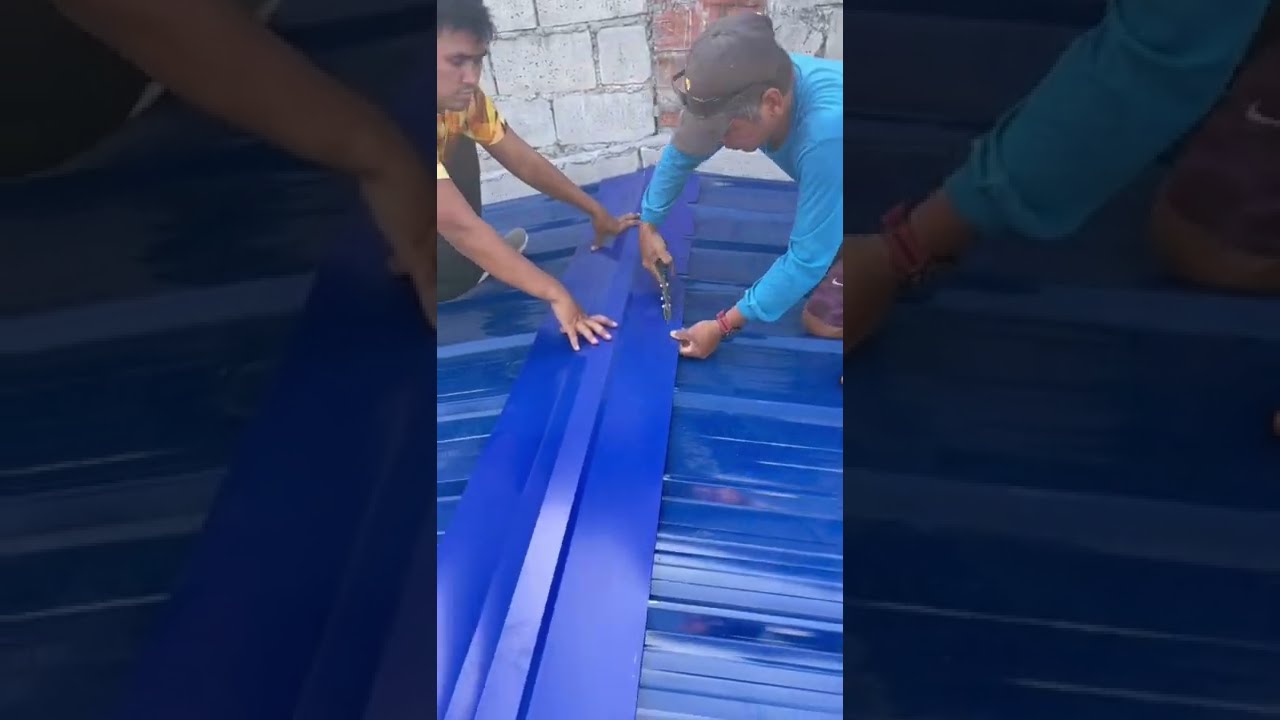
Client Stories: Real People, Real Results
To illustrate the impact of Forticrete roofing, here are a few anonymized client stories that reflect the range of projects I’ve overseen:
- Story 1: A small business owner wanted a durable roof that could withstand coastal winds and seasonal rain. We chose a textured Forticrete profile with a color that matched the storefront signage. The project ran smoothly, and the roof kept its look through two seasons of storms, enabling the business to operate without disruption. Story 2: A family home undergoing a modernization project needed a roof that complemented a new extension. The choice of a slate-like Forticrete finish created a cohesive look with the new exterior while delivering the reliability of concrete tiles. The homeowners reported comfort improvements and a noticeable drop in heat gain on sunny days. Story 3: A heritage building retrofit required a roof that spoke to the past while benefiting from modern weather resistance. Forticrete’s textured finish helped preserve the historic appearance, and the detailed installation ensured long-term protection for the attic spaces. The client appreciated the balance of aesthetics and performance.
These stories underscore a common theme: a well-chosen Forticrete roof, installed by a skilled team, can deliver durable protection and lasting curb appeal across diverse settings.
FAQs
What makes Forticrete roofing a good choice for energy efficiency? Forticrete roofing helps with energy efficiency by offering tile profiles that reduce heat gain and work well with breathable underlayment systems. When combined with proper insulation and ventilation, these roofs can contribute to lower cooling loads and more consistent indoor temperatures.
How long do Forticrete roofs typically last? With proper installation and regular maintenance, Forticrete roofs can last several decades. Durability depends on climate, roof design, and how well the system is integrated with underlayment and flashing.
Are Forticrete tiles resistant to hail? Forticrete tiles are designed to be impact-resistant within their profile and thickness. In hail-prone areas, it's important to select a profile and thickness appropriate for impact resistance and to ensure proper installation with quality fasteners.
Can Forticrete be used on complex roof geometries? Yes, Forticrete offers a range of profiles that can be adapted to complex geometries. A skilled installer can craft a plan that preserves aesthetics while ensuring watertight performance.
What maintenance is required for Forticrete roofs? Routine inspections, gutter cleaning, and sealant checks around critical joints are recommended. Replacing damaged tiles and resealing joints as necessary will help maintain long-term performance.
How do I choose the right Forticrete profile for my project? Consider climate, roof slope, and the building’s architectural style. Review color and texture options, then consult with an experienced installer who can propose a profile that aligns with performance goals and aesthetics.
Conclusion
Forticrete Roofing stands as a credible choice for clients who want proven performance and enduring style. The materials offer durability, aesthetic flexibility, and reliable lifecycle costs when paired with careful installation and ongoing maintenance. The real-world projects and client stories here illustrate how a well-designed Forticrete roof can elevate a building’s resilience and appearance, often with lower long-term maintenance needs than you might expect.
If you’re weighing options for your next roof, consider the complete system approach: material selection, underlayment, flashing, fasteners, and installation expertise. Seek out installers who understand Forticrete’s profiles and who can translate design intent into a robust, watertight, and weather-ready roof. The result isn’t just a roof over a building—it’s a durable, attractive, and dependable shield that protects occupants, enhances property value, and stands the test of time.